Who Is an Artisan? A Simple Guide
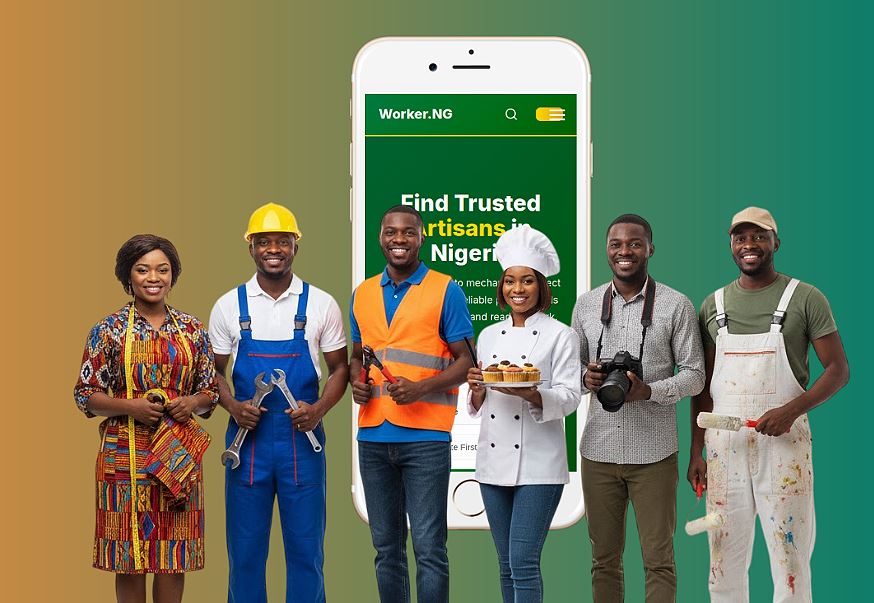
If you live in Nigeria long enough, you’ll quickly learn that artisans are the real MVPs of everyday survival. Light goes off? You call your electrician. Water starts misbehaving? Plumber. Chair breaks? Carpenter. Zip spoils? Tailor.
Honestly, life would be unrecognizable without these people.
But beyond the casual “call my guy,” who exactly counts as an artisan? And what do they really do? Let’s break everything down in plain English — no jargon, no academic headache.
So, Who Really Is an Artisan?
An artisan is basically someone who uses skill, hands, tools, and experience to create, repair, or build something. They’re not just “workers.” They’re trained people who have mastered a trade and can turn raw materials or ideas into finished, useful things.
Think of them as the practical problem-solvers that keep society functioning while the rest of us complain about NEPA.
What Does an Artisan Actually Do?
Their work depends on their trade, but in general, artisans:
- Fix damaged things
- Install equipment or structures
- Build something new (furniture, clothing, metal frames, etc.)
- Maintain machines or household systems
- Use tools a regular person shouldn’t even touch
- Show up with techniques they’ve perfected over months or years
The funny thing? You never appreciate artisans until something in your house spoils.
The Three Main Types of Artisans
There are different ways people classify artisans, but the most realistic grouping looks like this:
- The Creative/Craft Artisans
These are your tailors, leather-workers, bead makers, shoemakers, weavers, sculptors… people whose work blends creativity with skill.
- The Technical Artisans
These ones are more “workshop” and “toolbox” coded: electricians, mechanics, welders, bricklayers, tilers, AC repairers, plumbers, etc.
- Industrial Artisans
They usually work inside factories or industrial companies — handling machines, repairs, production lines, and technical maintenance at a larger scale.
Examples of Artisans
Let’s keep this simple and relatable. If you’ve ever interacted with:
- A mechanic at a roadside workshop
- A tailor making your native wear
- A carpenter building shelves in your room
- A plumber fixing a leaking pipe
You’ve met artisans.
They’re everywhere — shops, homes, markets, construction sites, and even online platforms like Worker.NG where they list their skills and connect with clients.
What Makes Someone an Artisan?
It’s not the tools.
It’s not the uniform.
It’s the skill.
A person becomes an artisan when they’ve:
- Learned a trade properly
- Practiced enough to work independently
- Gained confidence to take on real jobs
- Developed a reputation for good workmanship
Sometimes they learn through apprenticeships (very common in Nigeria).
Sometimes through formal technical schools.
Sometimes both.
But at the heart of it — they know what they’re doing and people trust them with the job.
What Jobs Fall Under “Artisan” in Nigeria?
The list is long, but here are some of the most common ones:
- Electrician
- Plumber
- Carpenter
- Painter
- Welder
- Fashion designer
- Mechanic
- Panel-beater
- Hair stylist / Barber
- AC technician
- Generator repairer
- POP installer
- Tiler
- Shoemaker
- Furniture maker
- Aluminum fabricator
Basically, if your hands + tools = something useful, you’re probably an artisan.
Is There a Word for a Female Artisan?
Technically, she’s still an artisan.
Same word. Same respect.
People sometimes say “craftswoman,” “tradeswoman,” or simply “female mechanic/electrician/tailor,” depending on the job.
But in everyday conversation, there’s no special name.
Skill no get gender.
What Qualifications Do You Need to Become an Artisan?
Here’s the honest truth:
You don’t need a university degree.
Most artisans have one of these backgrounds:
- Apprenticeship (the OG method — learning under a master)
- Vocational training centers
- Technical colleges
- Skill acquisition programs
- Certifications from NABTEB, ITF, etc.
But what really qualifies you is your ability to do the work well. People pay for results, not grammar.
How Much Do Artisans Earn in Nigeria?
There’s no fixed salary.
Artisans earn based on skill, location, and demand.
But here’s a rough idea:
- Beginners / apprentices: ₦30k–₦60k monthly
- Intermediate artisans: ₦80k–₦150k
- Experienced, in-demand artisans: ₦150k–₦400k+
- Top-level artisans running their own business: Earnings can go very high — sometimes more than office workers
Some artisans make weekly what some 9–5 employees make in a month.
If you doubt it, ask any successful electrician in Lagos.
Which Artisan Skills Are in the Highest Demand?
Right now in Nigeria, these ones are hot:
- Solar/electrical technicians
- Plumbers
- AC/fridge technicians
- Welders and fabricators
- Mechanics (especially those who understand modern cars)
- Tilers and painters (thanks to real estate growth)
If anyone is trying to pick a skill, these are solid choices.
What Are the Duties of an Artisan?
Daily tasks differ, but most artisans:
- Diagnose problems
- Recommend solutions
- Work with tools and materials
- Repair or install items
- Test equipment
- Keep their workspace safe
- Communicate with customers
- Sometimes supervise apprentices
They’re basically the behind-the-scenes engineers that keep everything running.
Four Quick Examples of Artisans
To summarize, here are four common ones you see almost every week:
- A mechanic
- A tailor
- A carpenter
- A plumber
These four alone can fix half the problems in a typical Nigerian household.
Why Artisans Matter More Than People Realize
Without artisans, nobody’s house would get built. Your car wouldn’t get repaired. Clothes won’t be sewn. Pipes won’t get fixed. Even businesses rely heavily on skilled hands.
That’s why more artisans are joining online directories like Worker.NG, where people can find them easily instead of depending on random recommendations.
Artisans keep the country moving — quietly, consistently, every single day.
Final Thoughts
So, who is an artisan?
Simple: someone whose skill makes life easier for the rest of us.
They work with their hands, but their value goes way beyond that. They’re creators, problem-solvers, technical minds, and essential workers in every sense.
If you’re thinking of becoming one, go for it. The world — especially Nigeria — will always need skilled people.
And if you ever need to hire one, there are now easier ways than running around asking neighbours. Platforms like Worker.NG make the whole process straightforward.
Artisans are not “informal workers.”
They’re professionals.
And many of them are masters at what they do.
Also read this: